-
Madres, mentoras, mediadoras. Reconciliando espiritualidad y feminismo en la narrativa de escritoras latinoamericanas del Siglo XX
Elena Sanchez-Mora
Este libro combina un interés profesional en las áreas de la crítica literaria y los Estudios Hispanos; específicamente, se enfoca en las conexiones entre la espiritualidad y el Feminismo en la literatura latinoamericana del siglo XX escrita por mujeres, reflejadas en un análisis de sus personajes femeninos.
Dicho análisis se basa, por un lado, en estudios del misticismo medieval femenino en Europa; por otro lado, en estudios sobre escritoras que rompieron con los estereotipos de los alcances de la espiritualidad de las mujeres en el siglo XVI español y XVII de Nueva España. Estos se contrastan con los prototipos limitantes de personajes espirituales femeninos inspirados en la Biblia, y la historia y la literatura europeas del siglo XVIII y XIX, que subrayan la incapacidad de las mujeres para lograr autonomía espiritual.
Así mismo, se incluye una perspectiva histórica que abarca las tres olas del feminismo, que han enfatizado diferentes aspectos de la lucha por la igualdad social y política de las mujeres. Otro elemento fundamental del desarrollo espiritual son las funciones de Madre, Mentora y Mediadora, que enfatizan el papel de proveedoras de apoyo emocional, educadoras y enlaces entre diversos grupos sociales. A la vez, se incluyen diferentes tradiciones religiosas de raíces indígenas, europeas y africanas y cristianas; a estas se aúnan ideologías basadas en la lucha por la justicia social fundamentadas en la interacción entre el medio rural tradicional y el medio urbano moderno.
En resumen, mediante la convergencia de espiritualidad y feminismo, los prototipos literarios que habían limitado el desarrollo espiritual de las mujeres a lo largo del siglo XIX y la primera mitad del XX, abren paso a otros centrados en la búsqueda de equilibrio personal y conexión con una comunidad.
-
Fictions of Containment in the Spanish Female Picaresque: Architectural Space and Prostitution in the Early Modern Mediterranean
Emily Kuffner
This study examines the interdependence of gender, sexuality and space in the early modern period, which saw the inception of architecture as a discipline and gave rise to the first custodial institutions for women, including convents for reformed prostitutes. Meanwhile, conduct manuals established prescriptive mandates for female use of space, concentrating especially on the liminal spaces of the home. This work traces literary prostitution in the Spanish Mediterranean through the sixteenth and seventeenth centuries, from the rise of courtesan culture in several key areas through the shift from tolerance of prostitution toward repression. Kuffner’s analysis pairs canonical and noncanonical works of fiction with didactic writing, architectural treatises, and legal mandates, tying the literary practice of prostitution to increasing control over female sexuality during the Counter Reformation. By tracing erotic negotiations in the female picaresque novel from its origins through later manifestations, she demonstrates that even as societal attitudes towards prostitution shifted dramatically, a countervailing tendency to view prostitution as an essential part of the social fabric undergirds many representations of literary prostitutes. Kuffner’s analysis reveals that the semblance of domestic enclosure figures as a primary erotic strategy in female picaresque fiction, allowing readers to assess the variety of strategies used by authors to comment on the relationship between unruly female sexuality and social order.
-
Espacios De Encuentro E Identidad: Actas del XXXV Congreso Internacional de ALDEEU
Marina Martin
Papers presented at the ADLEEU conference in Segovia, Spain, July 2015.
-
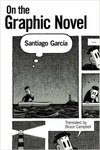
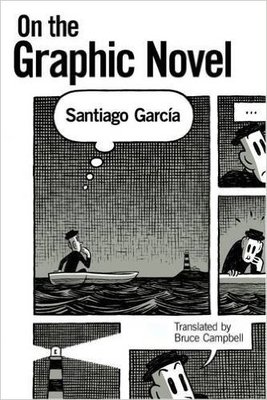
On the Graphic Novel
Santiago Garcia and Bruce Campbell
A noted comics artist himself, Santiago García follows the history of the graphic novel from early nineteenth-century European sequential art, through the development of newspaper strips in the United States, to the development of the twentieth-century comic book and its subsequent crisis. He considers the aesthetic and entrepreneurial innovations that established the conditions for the rise of the graphic novel all over the world.
García not only treats the formal components of the art, but also examines the cultural position of comics in various formats as a popular medium. Typically associated with children, often viewed as unedifying and even at times as a threat to moral character, comics art has come a long way. With such examples from around the world as Spain, France, Germany, and Japan, García illustrates how the graphic novel, with its increasingly global and aesthetically sophisticated profile, represents a new model for graphic narrative production that empowers authors and challenges longstanding social prejudices against comics and what they can achieve.
-
Gender in Hispanic Literature and Visual Arts
Christina M. Hennessy, Patricia Bolaños, and Tania Gómez
Gender in Hispanic Literature and Visual Arts provides an interdisciplinary and multicultural perspective on gender within Hispanic film and literature. The contributors analyze the relationship between the historical and social contexts of various Hispanic countries—including Argentina, Colombia, Chile, Guatemala, Nicaragua, Mexico, Peru, Puerto Rico, Spain, and Uruguay—and the effects of their contexts on their representations of gender. This book examines gender-based violence, transvestism, lesbianism, (mis)representation, indigenism, dissent, identity, and voice as a means of better understanding the meaning and implications of gender within the diversity of people and cultures that comprise the Hispanic world.
-
The New Mediatrix: Reconciling Feminism and Spirituality in 20th Century Latin American Women's Narrative
Elena Sánchez Mora
The convergence of Hispanic Studies, Literary Criticism, feminism and spirituality has been specifically associated, on the one hand, with the study of the autobiographical writings by cloistered women in 16th and 17th century Spain and its colonies; and on the other hand, it has been a common occurrence in the analysis of contemporary texts by Chicana and Latina writers in the United States.
This book centers its attention on the convergence of these four areas in a group of contemporary novels published between 1969 and 1995 by women writers from Mexico, Nicaragua, Dominican Republic and Colombia. It focuses on the portrayal of female characters in Hispanic literature for whom religious faith is a source of individual and social development. [from the back cover] -
José Isaacson y la Poética del Encuentro
Marina Martin
Find this book in the library.
José Isaacson (Buenos Aires, 1922) pertenece a un grupo estelar de poetas argentinos –Borges, Olga Orozco, Roberto Juarroz y Alejandra Pizarnik, entre otros– que, en conjunto, marcan un hito en la literatura hispana del siglo XX. Dada la riqueza temática, el giro hacia la metafísica que se evidencia invariablemente en sus escritos y la profundidad de su visión humanística, cabe suponer en la obra de Isaacson un alcance internacional. El texto dialoga con voces filosóficas que perfilan un encuentro asentado en el misterio del tiempo. Aristóteles, Spinoza, Kafka, Kant, Buber y Wittgenstein, entre otros, sin descontar la riqueza que proviene de las evocaciones bíblicas, palpitan en un texto sencillo y vibrante. Una extraordinaria erudición acompaña la ensayística de Isaacson y el vuelo poético de su lírica realza el calibre intelectual de una obra fuera de lo corriente. A la profundidad filosófica y a la intensa producción literaria hay que añadir una propuesta humanística, una actitud vital que posibilita un rescate de la persona. Bajo esta perspectiva la obra de Isaacson busca plantear un sentido a la praxis, aspirando a ahondar en la expresión de nuestro tiempo.
-
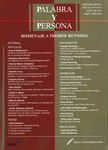
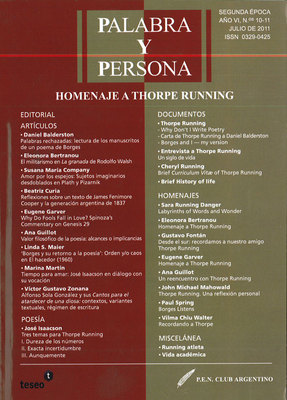
Homenaje a Thorpe Running
Marina Martin
A special issue of "Palabra y Persona" honoring Thorpe Running (1941-2008)
-
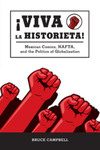
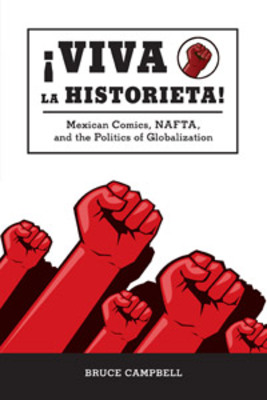
¡Viva la historieta! Mexican Comics, NAFTA, and the Politics of Globalization
Bruce Campbell
¡Viva la historieta! critically examines the participation of Mexican comic books in the continuing debate over the character and consequences of globalization in Mexico. The focus of the book is on graphic narratives produced by and for Mexicans in the period following the 1994 implementation of the North American Free Trade Agreement (NAFTA), an economic accord that institutionalized the free-market vision of relationships among the United States, Mexico, and Canada.
Eight chapters cover a broad range of contemporary Mexican comics, including works of propaganda, romance and adventure, graphic novels, a corporate "brand" series, didactic single-issue books, and a superhero parody series. Each chapter offers an examination of the ways in which specific comics or comic book series represent Mexico's national identity, the U.S.'s influence, and globalization's effects on technology and economics since the passage of NAFTA.
Through careful attention to how recent Mexican comics portray a changing nation, author Bruce Campbell reveals a contentious range of perspectives on the problems and promises of globalization. At the same time, Campbell argues that the contrasting views of globalization that circulate widely in Mexican historietas reflect a still unsettled relationship between Mexico and its superpower neighbor.
-
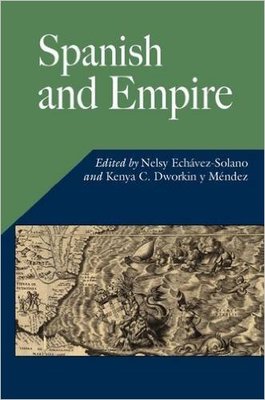
Spanish and Empire
Nelsy Echávez-Solano and Kenya C. Dworkin y Méndez
Essays in this volume deal with the historical, linguistic, and ideological legacy of the Spanish Empire and its language in the New World.
Table of Contents:
Languages, Catholicism, and power in the Hispanic Empire (1500-1770) / Juan R. Lodares -- Echoes of the voiceless : language in Jesuit missions in Paraguay / Fernando Ordóñez -- Languages and imperial designs in the Andes / Juan C. Godenzzi -- Exploring the problematics of non-Castilian emigration to the Americas through La vida cuartizada of Joan/Juan Torrendell / Thomas Harrington --The Foxes by José María Arguedas : a death warrant for Peru's modern national project / José Antonio Giménez Micó -- Nuyorican Poetry, tactics for local resistance / Susan M. Campbell -- Latino, Latin American, Spanish American, North American, or all at the same time? / Edmundo Paz-Soldán -- Language imperialism and the spread of global Spanish / Clare Mar-Molinero -- Signs of empire in Mexican graphic narrative : a research agenda / Bruce Campbell -- Spanish, English, or Spanglish? : truth and consequences of U.S. Latino Bilingualism / John M. Lipski -- Language and empire : a conversation with Ilan Stavans / Ilan Stavans and Verónica Albin. -
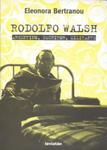
Rodolfo Walsh: Argentino, Escritor, Militante
Eleonora Bertranou
A treinta años del último golpe de estado que inauguró el gobierno militar más violento de la historia argentina, Rodolfo Walsh, argentino, escritor, militante de Eleonora Bertranou, propone el análisis de uno de los íconos políticos más relevantes surgidos al final de la dictadura. Rodolfo Walsh intentó reconciliar un pasado de contradictorias corrientes políticas militando en la agrupación Montoneros, sin abandonar el periodismo donde, como en todo lo que emprendía, se comprometía exponiendo las falacias y excesos de los gobiernos militares. El estudio de su vida y su obra es doblemente necesario en la Argentina actual. Por un lado nos permite interpretar la historia reciente durante la cual se convirtió en uno de nuestros desaparecidos. Por el otro, si continuamos evocándolo como figura emblemática de la lucha por la verdad y la justicia, Walsh es un argentino a quien debemos conocer en profundidad. Este libro colabora en esa tarea inconclusa.
-
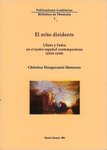
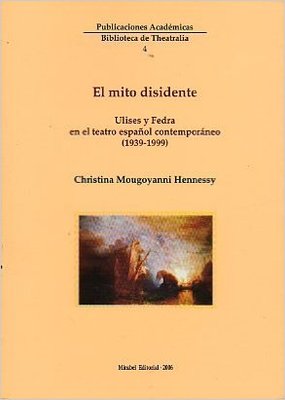
El mito disidente : Ulises y Fedra en el teatro español contemporáneo (1939-1999)
Christina M. Hennessy
Paperback book, written in Spanish, "The Maverick Myth: Ulysses and Phedra in Contemporary Spanish Theater. Part of a series of academic publications on theater.
-
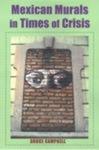
Mexican Murals in Times of Crisis
Bruce Campbell
Murals have been an important medium of public expression in Mexico since the Mexican Revolution, and names such as Diego Rivera, David Alfaro Siqueiros, and José Clemente Orozco will forever be linked with this revolutionary art form. Many people, however, believe that Mexico's renowned mural tradition died with these famous practitioners, and today's mural artists labor in obscurity as many of their creations are destroyed through hostility or neglect. This book traces the ongoing critical contributions of mural arts to public life in Mexico to show how postrevolutionary murals have been overshadowed both by the Mexican School and by the exclusionary nature of official public arts. By documenting a range of mural practices—from fixed-site murals to mantas (banner murals) to graffiti—Bruce Campbell evaluates the ways in which the practical and aesthetic components of revolutionary Mexican muralism have been appropriated and redeployed within the context of Mexico's ongoing economic and political crisis. Four dozen photographs illustrate the text. Blending ethnography, political science, and sociology with art history, Campbell traces the emergence of modern Mexican mural art as a composite of aesthetic, discursive, and performative elements through which collective interests and identities are shaped. He focuses on mural activists engaged combatively with the state—in barrios, unions, and street protests—to show that mural arts that are neither connected to the elite art world nor supported by the government have made significant contributions to Mexican culture. Campbell brings all previous studies of Mexican muralism up to date by revealing the wealth of art that has flourished in the shadows of official recognition. His work shows that interpretations by art historians preoccupied with contemporary high art have been incomplete—and that a rich mural tradition still survives, and thrives, in Mexico.
-

José Isaacson, Poeta Crítico
Thorpe Running
José Isaacson, poeta / Delfín Leocadio Garasa --
Isaacson y la esperanza / Carlos Mastronardi --
Certidumbre de la poesía / Alfredo de la Guardia --
Nuevo canto a Buenos Aires / Alfredo de la Guardia --
Raíces filosóficas de una poesía desvelada y ardiente / Antonio Pagés Larraya --
"Pre-textos" y contextos en Poemas del conocer / Beatriz Curia --
Un cuaderno insólito / Bernardo Canal Feijóo --
La poesía crítica de José Isaacson / Thorpe Running. -
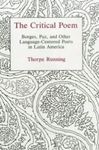
The Critical Poem : Borges, Paz, and Other Language-Centered Poets in Latin America
Thorpe Running
In this book, scholar Thorpe Running shows that a skeptical approach to both language and poetry places eight poets from three countries in Latin America within a strain of poetry prefigured by Stephane Mallarme. Octavio Paz, Jorge Luis Borges, Roberto Juarroz, Alejandra Pizarnik, Alberto Girri, Juan Luis Martinez, Gonzalo Millan, and David Huerta span three different generations. In addition to their age and geographical differences, their poetry bears no obvious similarities. All eight, however, are poetas pensantes, or thinking poets, and underlying the work of these probing writers is the disturbing question: Does language do what it is supposed to do? The answer is negative for all these poets who see their poems as being made up of words that don't work.
-
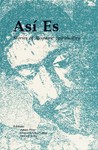
Así Es: Stories of Hispanic Spirituality
Arturo Pérez, Consuelo Covarrubias, Edward Foley, Elena Sánchez Mora, and Sarah Pruett
Así es: Stories of Hispanic Spirituality explores the moments of grace of fifteen Hispanics from Mexican-American, Mexican, Puerto Rican, Cuban, Guatemalan, and Salvadoran traditions who live in the United States. These women and men, from youth to those who bear the gift of age and wisdom, share their intimate journey with their God.
You will identify with their human struggles, their insights as they cross boundaries from death to life, and their moments of crisis. You will also learn from the memories they share of root experiences, and how they are able to claim their awareness of God's presence working in their lives. These stories reveal how the authors tapped the resources within themselves, their community, and their Church. These stories also share how the authors discovered their God, embracing and passing through the experience of struggle, crisis, joy, transformation, and celebration.
Printing is not supported at the primary Gallery Thumbnail page. Please first navigate to a specific Image before printing.